
A hotel room or Airbnb can look safe when you first walk in, especially if it has strong reviews, clean photos, and a bright entryway. The problem is you have no idea who had the key before you, how often the keypad code changes, or whether the connecting door closes as well as it should.
You do not need heavy gear or a suitcase full of security devices. You need a few practical items that help you secure the entry point, protect your valuables, check the space, and give you peace of mind while you rest.
A practical kit for hotels and Airbnbs can include a wedge alarm, portable door lock, door handle alarm, personal alarm, compact flashlight, portable safe, luggage lock, and carbon monoxide detector. These essential safety items solve real travel problems. Some help you sleep with more confidence. Others protect your passport, cash, cards, and electronics while you leave the room. A few help during late check-ins, power outages, shared stays, or emergency exits.
A study in Crime & Delinquency found that location, accommodation type, target hardening, and guardianship strategies help explain burglary risks in tourist accommodations. In simple terms, the room matters, but so do access points, storage habits, and how easy the space is to target.
This guide focuses on travel safety tools and travel safety accessories that are practical for hotels, Airbnbs, road trips, shared stays, and flights where packing rules matter.
Why Travel Safety Tools Matter for Hotel Safety and Airbnb Safety
Safety tools matter because hotels and short-term rentals come with access points you cannot fully control. Hotel staff may have entry access. A rental host may use a lockbox, keypad, smart lock, or spare key. A previous guest may have seen the code. A building may have shared hallways, open parking areas, or side entrances that do not feel obvious until you arrive.
Late flights, long drives, and night check-ins can make people rush through basic checks. You may drop your bags, charge your phone, and settle in before you notice a loose latch, a sliding balcony door, or a connecting door.
The right safety devices give you a second layer of security. A door alarm can warn you if someone pushes the entry point. A portable barrier can add resistance to a compatible frame. A personal alarm can draw attention outside the room. A flashlight is reliable during a blackout, a dark hallway walk, or an emergency exit.
The point is not to travel with fear. The point is to make the room work for you. A few small items can turn an unfamiliar space into one you understand, check, and secure before you sleep.
What Makes a Good Travel Safety Tool?
A good travel safety tool should earn its space in your bag. It should be small, simple, legal to carry, and useful when you are tired or under pressure. It should not damage the room, block an emergency exit, or create problems at the airport.
For hotels and Airbnbs, the best items do one clear job. Some help secure the entry point. Some help call attention in public spaces. Some keep valuables out of sight. Others help with light, fire safety, or carbon monoxide risk. If you cannot explain what an item protects you from, it probably does not belong in your kit.
The best safety devices for solo travelers are not always the most aggressive products. A compact travel door lock, wedge door stop alarm, door handle alarm, personal safety alarm, and portable safe can offer more practical value than a bulky self-defense product you may not be allowed to carry.
| Feature | Why It Matters |
|---|---|
| Compact size | The tool should fit in a carry-on, purse, backpack, or luggage pocket. |
| Fast setup | You should be able to use it without tools or complicated instructions. |
| No property damage | The tool should not drill, scratch, stain, or alter the room. |
| Clear purpose | It should secure a door, alert others, protect valuables, or support emergency response. |
| Travel-friendly design | It should be easy to check against airline, hotel, and local rules. |
Table showing key features of a good travel safety tool for hotels and Airbnbs
12 Best Travel Safety Tools and Security Devices for Hotels, Airbnbs, and Rentals

You do not need every travel safety product on the market. A good setup starts with the place where you are most vulnerable: the room. From there, add one item for personal alerts, one for valuables, and one for emergencies.
A solo traveler may prioritize a wedge alarm, portable entry device, and personal alarm. A business traveler may care more about a portable safe and a flashlight. A hostel traveler may need a padlock before anything else. An Airbnb guest may want a door alarm and carbon monoxide detector, especially in older homes or cabins.
1. Door Stop Alarm
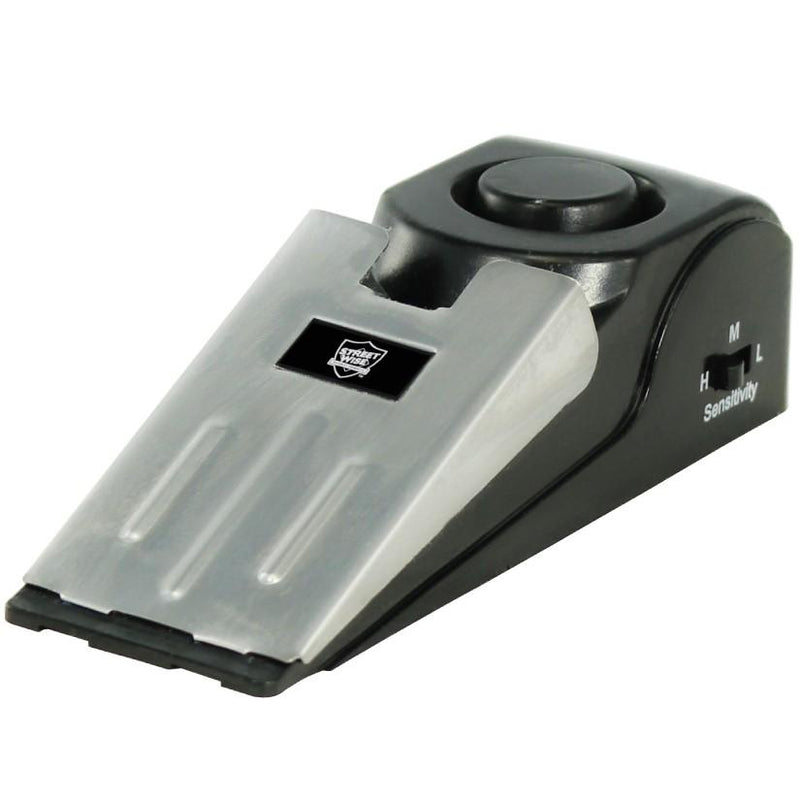
A wedge alarm is worth packing because it gives you both resistance and sound. The wedge helps block an inward-opening door, while the alarm sounds if someone pushes against it. A wedge door stop alarm is different from a plain wedge door stop because it adds sound. The wedge helps resist movement, while the alarm warns you if pressure hits the inside door. That makes it useful for hotel door security when you want a simple safety device with no tools required.
This matters most at night, when you may not hear someone test the handle or open the door slowly. Place the alarm behind the door after you secure the deadbolt and latch. Test it once before bed so you know the pressure plate works on that floor surface. Carpet, tile, uneven flooring, and door clearance can all affect the fit.
A wedge alarm is for inward-opening hotel doors and Airbnb bedrooms with enough space at the bottom. It is not the right option for sliding doors, outward-opening doors, or spaces with large floor gaps. For most travelers, it is one of the easiest hotel room safety items to use because it requires no screws, adhesive, or permanent changes to the property.
2. Portable Door Lock
A portable entry device is worth packing, especially when the main latch does not feel secure enough. It attaches to a compatible frame and adds internal resistance. It is not the same as a permanent home security door lock. It is made for temporary use inside a hotel room, Airbnb, dorm-style space, or older rental when the door is compatible.
Keypad codes and lockboxes can be convenient, but they also raise one question: how often does the code change between guests? A portable door lock travel device works best from inside the door after you confirm that it fits the frame. It may help stop the door from opening from the outside, but only on compatible doors. Think of it as temporary door lock security for a trip, not a permanent door lock for home use.
A portable entry device is for inward-opening doors that fit the product securely. It is not useful on every door, and it should never block your ability to leave during an emergency. Use the built-in latch first, then add the portable device only if it fits well and does not damage the door or frame.
3. Door Handle Alarm
A door handle alarm is better for warning than resistance. Most models hang on the handle and sound when someone touches, turns, or shakes it. That makes the device easy to use in guest rooms, shared rentals, connecting rooms, and interior bedrooms.
This is a good backup when a wedge alarm does not fit the floor. It can also help inside a shared Airbnb where you want an alert on your bedroom door. That matters when multiple guests, hosts, cleaners, or maintenance workers may have access to the same property. A handle alarm will not reinforce the door as a wedge or portable barrier does. Its value is early warning. Use it when you want to know if someone is trying the handle before they enter.
4. Personal Safety Alarm
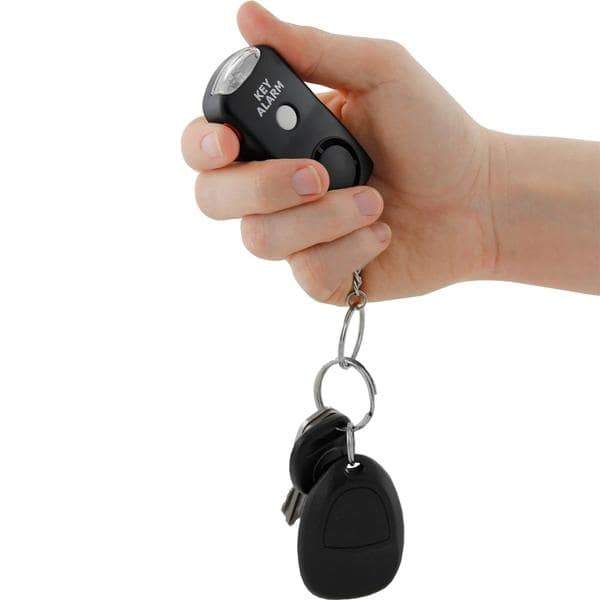
A personal safety alarm is a practical device for solo travel because it is easy to reach, simple to activate, and legal to carry in more places than many self-defense products. Keep it on your keychain, wristlet, or bag strap when you walk through hallways, parking lots, stairwells, rideshare pickup areas, and unfamiliar streets.
The research on personal security alarms is limited. A systematic review found that personal alarms have been used in high-risk work settings, but evidence on their effect on assault rates remains limited. That is why access matters. An alarm buried inside luggage will not help when you need it quickly.
5. Compact Flashlight
A compact flashlight is easy to overlook until you need one. It helps during power outages, dark hallways, parking areas, exits, and check-ins. Your phone has a flashlight, but your phone may be locked, low on battery, or in use when you need light fast.
Use the flashlight when you first enter the room. Check the door latch, windows, balcony access, closet, bathroom, under-bed area, and connecting doors. This does not need to feel dramatic. It is a practical room check that helps you understand the space before you relax.
Keep it near your bed, not inside your packed bag. If a fire alarm goes off or the power cuts out, you should be able to find your shoes, keys, phone, and exit route without searching in the dark.
6. Portable Safe or Lock Box

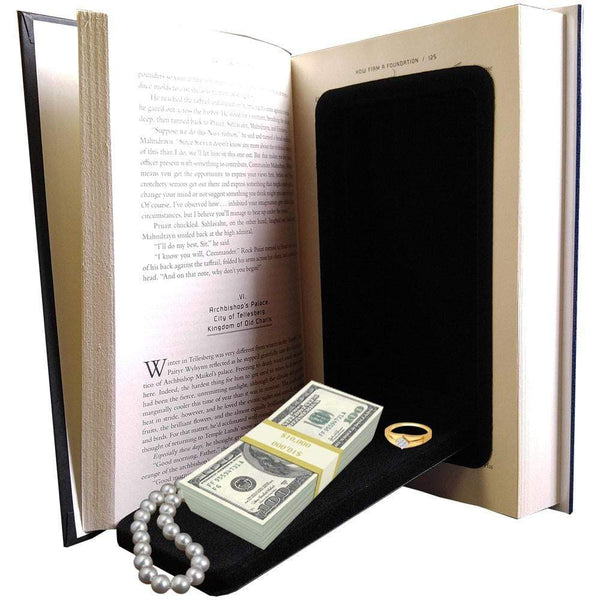
A portable safe protects the items that can ruin a trip if they disappear: passport, cash, backup cards, medication, jewelry, and small electronics. It is most useful when a room safe is missing, broken, too small, or not something you trust.
Research supports the basic idea behind secured storage. The Crime & Delinquency study on burglary from tourist accommodation found that security features and guardianship strategies can help explain burglary risk for tourists. A safe will not stop every attempt at theft, but it can make valuables harder to grab and less visible.
Do not use a portable safe as an excuse to keep everything in one place. Separate your cash, cards, and document copies. Keep important items out of plain sight. The goal is not perfect security. The goal is to make loss, theft, or misplacement less damaging.
7. Padlock for Hostels and Shared Spaces
Many hostels provide lockers, but expect guests to bring their own lock. Without one, your storage option may be less useful than it looks. A padlock will not stop every thief. It does make your bag, locker, or cabinet harder to open quickly. That matters in shared spaces where people come and go throughout the day. Most thefts of opportunity depend on speed and easy access.
Choose a lock that fits common locker hasps and luggage zippers. A combination lock removes the risk of lost keys. A keyed lock may feel more secure, but it gives you one more item to track. For most travelers, the better choice is the lock you can use consistently without slowing yourself down.
8. Carbon Monoxide Detector
A carbon monoxide detector is for Airbnbs, cabins, older homes, remote rentals, and properties with gas appliances. It is not a typical self-defense tool, but it belongs in a serious travel safety kit because carbon monoxide has no smell or color.
Johns Hopkins Bloomberg School of Public Health reported that many Airbnb venues lacked basic protections required in hotels and motels. Nationally, only 56% of studied venues had carbon monoxide detectors, while 42% had fire extinguishers.
Hotels and motels can also have carbon monoxide risks. A PubMed Central study identified 905 guest poisonings and 22 fatalities from carbon monoxide incidents in U.S. hotels and motels from 2005 through 2018. The study found that most incidents involved natural gas-fueled appliances and noted that in-room carbon monoxide alarms could likely have prevented many poisonings.
Pack a portable detector when the property type makes you unsure. It is not something most travelers think about, but it can matter more than another lock.
9. Luggage Locks and Anti-Theft Bags
Luggage locks and anti-theft bags are for the parts of the trip where your belongings move with you. They are useful in airports, train stations, buses, hotel lobbies, hostels, and crowded tourist areas. They do not replace awareness, but they make quick access harder.
A safe travel bag often includes lockable zippers, hidden pockets, slash-resistant panels, or RFID-blocking sections. These features help when you carry passports, cash, cards, and travel documents in crowded areas. A regular bag can still work if you wear it close, keep it zipped, and avoid outer pockets for important items.
This part of travel security matters because not every risk happens inside the room. You may feel secure once you lock the hotel door, but your bag still moves through taxis, lobbies, sidewalks, cafes, airports, and public transportation. Your valuables need a plan during the trip, not only after check-in.
10. Pepper Spray or Pepper Gel, If Legal Where You Travel
Pepper spray or pepper gel is treated as a legal-check item, not an automatic travel essential. It helps with personal safety outside a hotel or rental, but it needs more caution than a door alarm or a personal alarm. Laws vary by state, country, airline, and destination. A product that is legal at home may be restricted when you travel.
For U.S. air travel, TSA allows one 4 fl. oz. container of pepper spray in checked baggage only, and it must have a safety mechanism to prevent accidental discharge. TSA also prohibits self-defense sprays with more than 2% by mass of tear gas in checked baggage. Airlines may set their own rules, so travelers should check both TSA and airline guidance before packing any spray.
Pepper gel may be better than traditional spray in some outdoor situations because it has a more targeted stream. It is still not ideal for every hotel or indoor setting. Enclosed spaces can increase the risk of blowback or accidental exposure. Treat any self-defense spray as a serious tool, not a casual travel accessory.
11. GPS Trackers and Luggage Tracking Devices
A GPS tracker is not a door lock, alarm, or anti-theft device. It will not stop someone from taking your bag. Its value comes after something goes missing.
This makes it useful for checked luggage, backpacks, camera bags, tech cases, rental cars, and road trip gear. These are items that move through airports, hotel storage rooms, rideshares, parking lots, and short-term rentals, where you may not always have eyes on them.
AirTags made luggage tracking more common, but the idea is not limited to one brand. A tracker gives you another way to locate an item instead of relying only on an airline desk, hotel staff, or rideshare driver. Keep passports, medication, cash, and backup cards with you whenever possible. Trackers are best for bags and gear, not the items you cannot afford to lose.
12. Portable Stun Guns, Batons, and Other Self-Defense Tools
Portable stun guns and batons are stronger self-defense tools, but they are not simple travel accessories. They come with more rules than door alarms, personal alarms, flashlights, or luggage locks.
For U.S. air travel, TSA does not allow stun guns or shocking devices in carry-on bags. They may be allowed in checked bags with special instructions, but the device must be packed so it cannot accidentally discharge. TSA also lists martial arts weapons as not allowed in carry-on bags and allowed in checked bags, with the final decision left to the TSA officer. That can include batons and similar striking tools.
This is where travelers need to slow down. A product that is legal at home may be restricted in another state, country, hotel, cruise line, or airline. Before you pack a stun gun, baton, pepper spray, or pepper gel, check TSA rules, airline rules, state laws, and destination laws. For most hotel or Airbnb stays, start with the tools that create fewer travel problems. Add restricted self-defense products only when you are sure you can legally carry them.
What Travel Safety Tools Should You Avoid Packing?
You should avoid packing travel safety tools that are illegal, restricted, too bulky, hard to use under stress, or likely to damage the property. A safety tool should not create a bigger problem than the one you want to prevent. This matters most for air travel, international trips, cruises, and destinations with strict self-defense laws.
Be careful with knives, stun devices, batons, pepper spray, and similar products. Some places restrict them. Some airlines prohibit them. Some hotel or rental policies may also create issues if an item damages the property or scares other guests.
Avoid tools that require drilling, adhesive mounts, permanent hardware, or anything that leaves marks. Travel safety items should protect you without altering the room. If it can damage the door, frame, floor, or lock, choose a different option.
Be careful with products marketed as a door lock for hotel use if the description promises too much. No portable device works on every door. The same product may fit one property and fail at another. Always test the safety door device after check-in, and do not use it if it blocks your exit or damages the frame.
Battery-powered tools need attention, too. The FAA says spare lithium batteries and power banks must be carried in carry-on baggage only. If your carry-on gets checked at the gate, those spare batteries and power banks must be removed and kept with you in the cabin. This matters for rechargeable flashlights, personal alarms, power banks, and other electronic safety products.
Hotel Safety and Rental Safety Checklist Before You Sleep
A hotel safety and rental safety checklist should start with the door, then move to exits, valuables, and the tools you need within reach. Secure the deadbolt, latch, and chain if available. Check any connecting doors. Look at the peephole, windows, balcony doors, and ground-floor access points. If something does not close or lock properly, ask for another room or contact the host.
Set up your wedge alarm, portable entry device, or door handle alarm before you rest. Keep your phone, keys, flashlight, shoes, and personal alarm near the bed. Do not leave them across the room. In an emergency, you do not want to search for basic items in the dark.
Know your exit route before you need it. In a hotel, check the door map and find the stairs. In an Airbnb, look at how to exit the building and where the main door leads. Store valuables out of sight before you sleep or leave for the day. Use a portable safe, lock box, luggage lock, or hidden pouch for passports, cash, and backup cards.
Quick Guide to Safety Essentials for an Airbnb or Hotel
Safety essentials for an Airbnb or hotel should cover four areas: the entry point, your valuables, your personal security, and your emergency access. That does not mean you need every product on the market. It means you need a small setup that matches the property and the way you travel.
If you are staying in a hotel, start with the main entry point. Check the deadbolt, latch, peephole, connecting doors, and any balcony access. If you are staying in an Airbnb, check the keypad, lockbox, windows, side doors, and exit route. A rental may feel private, but previous guests, hosts, cleaners, or maintenance workers may have had access before you arrived.
A portable travel security setup can include an alarm for the door, a compact personal alert device, a flashlight, and a way to secure valuables. This gives you better security for travel without turning your bag into a full emergency kit. The goal is simple: choose items that help you feel more secure, work without tools required, and do not damage the property.
Best Safety Devices for Solo Travelers, Families, and Business Trips
Different travelers need different tools. A solo traveler may care most about door security and personal alerts. A business traveler may need to protect electronics and documents. A family may want room safety, emergency lighting, and carbon monoxide awareness. A hostel traveler may need a padlock before a portable door lock.
| Traveler Type | Best Tools to Pack |
|---|---|
| Solo travelers | Door stop alarm, portable door lock, personal alarm, compact flashlight |
| Women travelers | Door handle alarm, door stop alarm, personal alarm, pepper gel if legal |
| Business travelers | Portable safe, luggage lock, compact flashlight, personal alarm |
| Airbnb guests | Portable door lock, door alarm, carbon monoxide detector, flashlight |
| Hostel travelers | Padlock, luggage lock, anti-theft bag, personal alarm |
| Road trip travelers | Flashlight, door alarm, portable safe, personal alarm |
| College students | Door stop alarm, personal alarm, portable lock, compact flashlight |
Table showing the best travel safety tools for solo travelers, women travelers, business travelers, Airbnb guests, hostel travelers, road trips, and college students
How to Build a Simple Travel Safety Kit

A simple kit should cover four needs: the door, your personal alert, your valuables, and an emergency light. That is enough for most trips. You do not need to pack every device on the market.
Start with the room. A wedge alarm works well for many inward-opening doors. A portable entry device can help when the door is compatible. A handle alarm can add a simple alert to a bedroom or connecting door.
Add one personal alert device and one valuables tool. A personal alarm should stay on your keychain, wristlet, or bag strap. A portable safe, luggage lock, padlock, or anti-theft bag can keep passports, cards, and cash out of easy reach. Finish the kit with a compact flashlight for dark spaces, outages, and emergency exits.
Before you leave, test every item. Replace dead batteries. Check the alarm sound. Make sure your device fits your luggage or locker. Review airline and destination rules for sprays, batteries, and self-defense products. A kit only helps when it works and when you can legally carry it.
Pack Travel Safety Tools You Will Actually Use
The best travel tools are the ones you pack, test, and use every time you check in. A wedge alarm, portable entry device, personal alarm, flashlight, padlock, portable safe, luggage lock, and carbon monoxide detector can make hotels, Airbnbs, hostels, and rentals feel more controlled.
Start with the room because that is where you sleep, store valuables, and let your guard down. Secure the door. Keep your phone and flashlight near the bed. Put important items out of sight. Check the exit route. If you carry pepper spray or pepper gel, confirm the law before you travel.
A safer trip starts before you leave home. Pack tools that match your destination, test them before your trip, and use them as soon as you arrive. That small routine can give you more control in a place you do not know.
FAQs About Travel Safety Tools
What are the best travel safety tools?
The best travel safety tools include a door stop alarm, portable door lock, door handle alarm, personal safety alarm, compact flashlight, portable safe, padlock, luggage lock, and carbon monoxide detector. These tools help with hotel room safety, Airbnb safety, personal alerts, emergency lighting, and valuables protection. The best kit depends on where you stay, how you travel, and which risks matter most for that trip.
What should I bring for hotel room safety?
For hotel room safety, bring a door stop alarm, portable door lock, door handle alarm, compact flashlight, and personal alarm. These tools help secure the door, alert you if someone tries to enter, and keep basic safety items within reach. You should also check the room lock, connecting doors, windows, exit route, and peephole after check-in.
What safety items should I bring to an Airbnb?
For Airbnb safety, bring a portable door lock, door alarm, carbon monoxide detector, compact flashlight, and portable safe. Short-term rentals vary in safety features, so it helps to pack tools that secure the room, detect environmental risks, and protect valuables. A portable carbon monoxide detector can be useful in cabins, older homes, and rentals with gas appliances.
Do door stop alarms work in hotels?
Door stop alarms can work in many hotel rooms with inward-opening doors and enough floor clearance. They may not work well on uneven floors, high-clearance doors, sliding doors, or outward-opening doors. Test the alarm when you enter the room to see whether it works before relying on it overnight.
Can you bring a portable door lock on a plane?
Most portable door locks do not contain restricted parts, but airline and airport rules can vary. Check TSA, airline, and destination rules before travel. If your safety device uses lithium batteries, follow FAA guidance for spare lithium batteries and power banks. Spare lithium batteries must stay in carry-on baggage, not checked baggage.
Should you use a hotel room safe?
A hotel room safe can help keep valuables out of sight. A safe should not be your only security plan, but it can reduce easy access when used with smart storage habits. For better protection, avoid leaving valuables in plain view, separate backup cards from your main wallet, and keep copies of important documents away from the originals.
Can you travel with pepper spray?
You cannot bring pepper spray in a carry-on bag for U.S. air travel. TSA allows one 4 fl. oz. container of pepper spray in checked baggage only if it has a safety mechanism, and sprays with more than 2% by mass of tear gas are prohibited in checked baggage. Some airlines do not allow pepper spray at all, and local laws vary by destination. Always check the rules before you pack it.
What should solo travelers pack for safety?
Solo travelers should consider a door stop alarm, a portable door lock, a personal alarm, a compact flashlight, and a way to secure valuables. These tools help protect the room, call attention outside the room, and keep important items out of sight. The best kit is small enough to carry and simple enough to use every time you check in.
Are GPS trackers useful travel safety accessories?
GPS trackers can be useful travel safety accessories for checked luggage, backpacks, rental cars, camera gear, and longer trips. They do not stop theft, but they can help you locate an item after it goes missing. Use them with luggage locks, smart storage habits, and keeping important documents on you.
Can you fly with a stun gun?
You cannot bring a stun gun in a carry-on bag for U.S. air travel. TSA lists stun guns and shocking devices as not allowed in carry-on bags, though they may be allowed in checked bags with special instructions. Travelers should also check airline and destination rules before packing one.
Can you travel with a baton?
Batons and similar striking tools may face airline, state, and local restrictions. TSA lists martial arts weapons as not allowed in carry-on bags but allowed in checked bags. Travelers should check TSA rules, airline rules, and local laws before packing any baton or striking tool.