
Pepper spray is a trusted and effective non-lethal self-defense tool used for personal protection today. Its modern form is recent; the use of chemical irritants for defense has evolved. Today’s pepper spray uses oleoresin capsicum (OC). It is a concentrated extract derived from chili peppers.
The modern pepper spray was developed in the late 20th century. It was used in law enforcement and personal defense applications. According to the National Center for Biotechnology Information, pepper spray was adopted in the late 1970s and early 1980s. It is a non-lethal alternative for controlling individuals and enhancing personal safety.
Today, pepper spray is used globally as a reliable self-defense option. However, there are many variations available. You need to understand them before choosing the right type of pepper spray to use for your personal protection.
What Makes Pepper Spray Effective?
The effectiveness of a pepper spray depends on specific factors rather than the concentration of oleoresin capsicum (OC). A common misconception is that a higher OC percentage results in a more powerful product. In reality, effectiveness is determined by how the active compounds interact with the body.
Pepper spray works because of capsaicin, an occurring compound that causes intense irritation. It includes the eyes, skin, and respiratory system. Scientific studies show that capsaicin activates pain receptors in sensory nerves. It leads to immediate burning sensations, eye closure, and inflammation.
The key indicators of an effective pepper spray are:
-
Scoville Heat Units (SHU): This measures the heat intensity of the spray. Higher SHU levels show a stronger irritant effect.
-
Major Capsaicinoids (MC% or CRC): This represents the concentration of active compounds responsible for the burning sensation and incapacitating effect.
Symptoms from exposure can occur, often within seconds. It includes intense eye irritation, tearing, and difficulty breathing. It contributes to the spray’s ability to incapacitate an attacker. These factors allow you to choose a product that delivers a reliable response in a self-defense situation.
Types of Pepper Spray
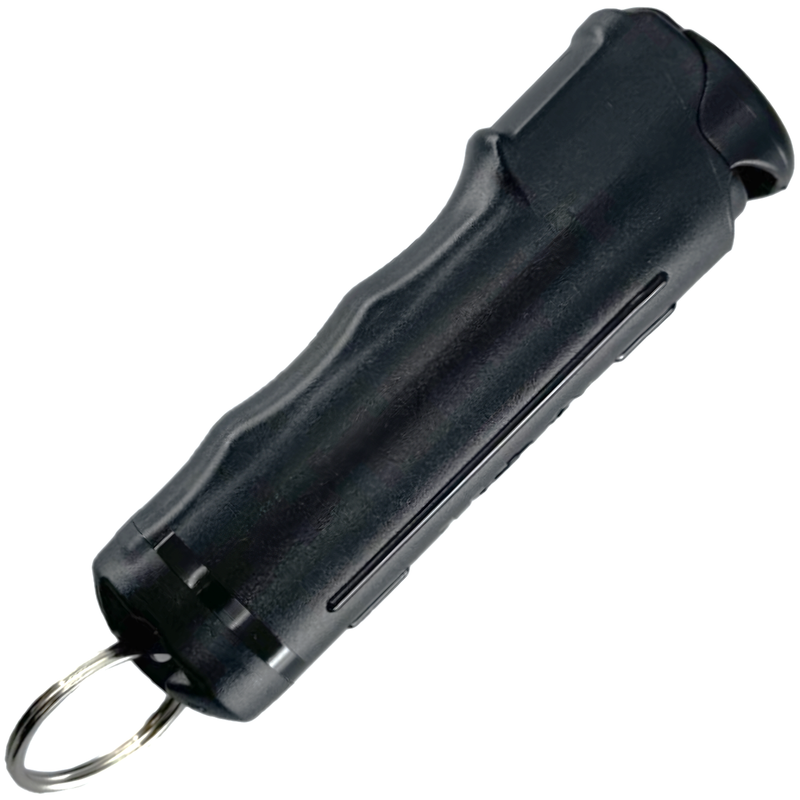
Pepper spray products are available in several forms, designed for different environments and preferences. The two primary categories are traditional canisters and pepper spray guns.
1. Stream Spray (Most Common)

The stream spray delivers a focused stream toward the target. It allows for more precise aiming while reducing the risk of blowback. It is best suited for users who are comfortable aiming under pressure. Its reliability and effectiveness make it a standard choice for everyday personal defense.
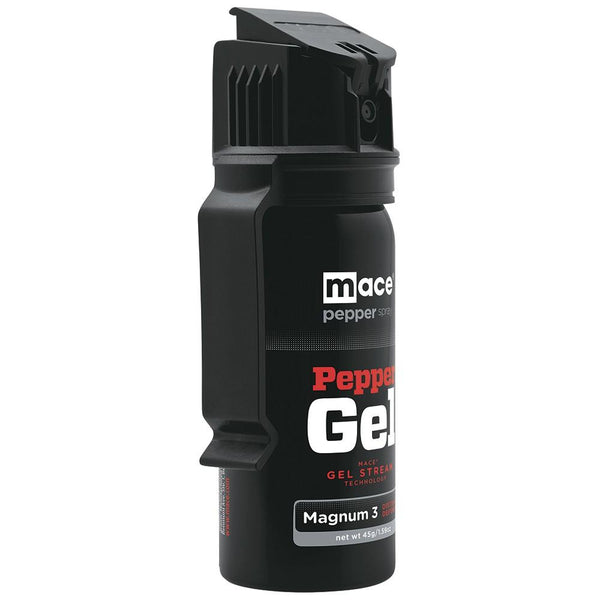
2. Gel Pepper Spray

The gel pepper spray is designed to provide greater control during use. The gel formulation travels farther and adheres to the target upon contact. This makes it more difficult to remove. It also minimizes airborne particles, which reduces the risk of affecting the user. This reason makes the gel pepper spray suitable for enclosed environments or indoors.
3. Foam Pepper Spray

The foam pepper spray offers a different approach by expanding into a thick foam upon contact. This allows it to cover the target’s face more and makes it harder to wipe away. However, it has a slower activation time compared to stream or gel sprays. Foam options are generally most effective in close-range situations.
4. Mist or Fogger Spray

Mist of fogger sprays disperse the solution in a cloud-like pattern. This makes them easier to use, especially in high-stress situations where precise aim may be difficult. However, the wider dispersion increases the likelihood of blowback, particularly in windy conditions. As a result, these sprays are best used at close range or in controlled environments.
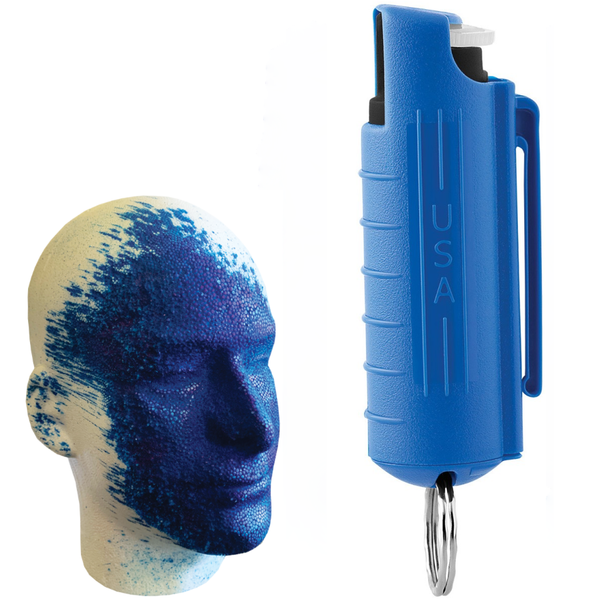
5. Marking Pepper Spray

The marking pepper spray includes a UV dye. This dye is not always visible to the naked eye but can be detected under ultraviolet light. Its purpose is to assist law enforcement in identifying an attacker after an incident. This added feature provides a layer of security. Particularly in situations where the attacker may attempt to flee.
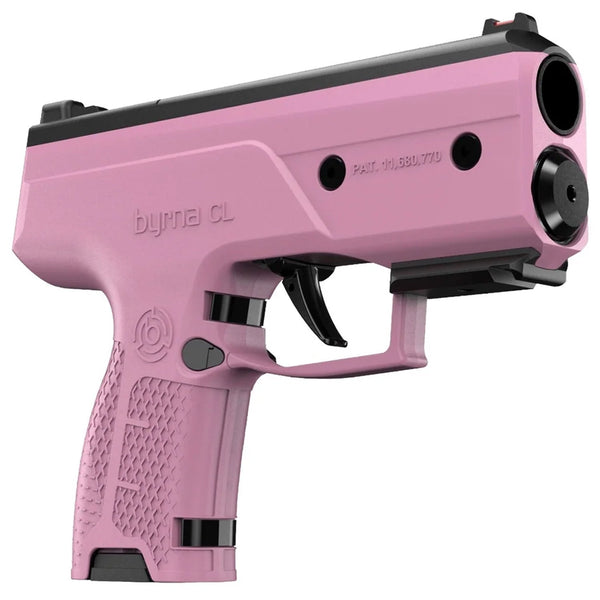
6. Pepper Spray Gun

The pepper spray gun is perfect for those seeking greater control and range. Designed with a pistol-style grip for improved handling and accuracy. These devices offer a longer shooting distance than standard canisters. It may include features such as laser targeting or pressurized propulsion systems. As a result, a pepper spray gun is well-suited for individuals who focus on precision and extended reach.
Speciality Pepper Sprays
There are specialty pepper sprays designed for specific situations. For example, dog pepper spray is formulated for protection against aggressive animals. While bear spray is intended for outdoor use and provides a wider range and spray pattern. There are also discreet options. An example is everyday items like pens or perfume containers, which allow for more subtle carry.
These products enable users to select a form of protection that aligns with their environment and personal safety concerns.
How to Choose the Right Pepper Spray
The right pepper spray depends on how and where it will be used. For everyday carry, stream or gel pepper spray is the most practical choice due to its portability and ease of use. In confined environments, gel pepper spray is often preferred. It reduces airborne spread and limits unintended exposure.
The marking pepper spray provides an advantage through its UV dye feature. This is perfect for individuals concerned with identifying an attacker after an incident. Those who need greater accuracy and extended range may enjoy using a pepper spray gun, which offers enhanced control.
The classic stream pepper spray remains a simple and trusted choice for everyday use. It is the most reliable self-defense option for beginners. The pepper spray gun offers improved accuracy and extended range for users seeking more control. Meanwhile, gel pepper spray is ideal for situations where minimizing blowback is a priority.
Secure Your Safety Today
Pepper spray remains one of the most effective non-lethal tools for personal defense. Its effectiveness is supported by scientific and medical research. It demonstrates that capsaicin causes immediate irritation to the eyes, skin, and respiratory system. It results in temporary incapacitation. The National Center for Biotechnology Information highlights how capsaicin activates sensory nerves. It leads to rapid eye closure and inflammation.
Health authorities such as the Centers for Disease Control and Prevention further note that exposure to riot control agents can result in tearing, involuntary eye closure, and difficulty breathing. It proves their effectiveness in self-defense situations. In addition, the Organisation for the Prohibition of Chemical Weapons recognizes pepper spray as a riot control agent, reinforcing its established role in both civilian and law enforcement use.
It is also important to note that modern self-defense tools are designed with accessibility in mind. There are self-defense weapons for women that are lightweight and easy to handle, making them both practical and effective without compromising performance.