
Most Uber and Lyft rides are normal. You book the ride, check the car, get in, and arrive. Because that routine feels so familiar, it is easy for riders and drivers to stop paying attention to the small safety checks that matter.
Rideshare safety problems often start with details people miss. The license plate does not match. The route feels off. A passenger gets aggressive. A driver asks for personal information. Your phone is almost dead, or you do not know where the emergency button is. None of these things may feel serious at first, but they can become a problem fast once the ride has already started.
Uber and Lyft publish safety reports for a reason. Uber’s U.S. Safety Report includes sexual assault incidents reported by riders and drivers, fatal physical assaults, and fatal motor vehicle crashes connected to the Uber platform. Lyft’s 2020–2022 Safety Transparency Report includes motor vehicle fatalities, fatal physical assaults, and five serious sexual assault categories reported on the Lyft platform. That does not mean every rideshare trip is dangerous. It means safety should not be an afterthought.
Safety while riding with Uber or Lyft starts with simple checks: confirm the car, keep your phone ready, share your trip when needed, and know how to leave if something feels wrong. The best rideshare safety tips are simple: check the license plate, ask the driver who they are picking up, share your trip with trusted contacts, sit in the back seat when possible, and keep your phone ready. If you are a rideshare driver, confirm the passenger before unlocking your doors, use a dashcam where legal, and know when to end the ride.
A smart self-defense rideshare plan does not start with weapons. It starts with prevention, app safety features, dashcams, documentation, and knowing the law. Pepper gel, stun guns, and other self-defense devices for rideshare can have a place, but only when they are legal, accessible, and used as a last resort.
Why Small Rideshare Safety Checks Matter
Most rideshare safety problems do not start with something obvious. They usually start with a detail someone ignores. The car looks close enough. The route seems a little strange, but maybe the app changed it. The passenger seems irritated, but the driver keeps going. These small moments are easy to dismiss because most Uber and Lyft rides are routine.
That is why the basic checks matter. A rider may only know the driver’s name, photo, car model, and license plate. A driver may only know the rider’s first name and pickup location. That limited information is part of how rideshare services work, but it also means both sides need to confirm the ride before trusting the situation.
For riders, the risk can include getting into the wrong car, dealing with an unsafe driver, unwanted comments, sudden route changes, or limited exit options. For drivers, the risk can include intoxicated passengers, threats, robbery, vehicle damage, false reports, or assault. Late-night rides, bar pickups, unfamiliar routes, and isolated pickup or drop-off areas can make those risks harder to manage.
If you are using Uber or Lyft often, these small habits should feel automatic: check the plate, confirm the driver, share your trip, and know where the safety features are.
Uber, Lyft, and Third-Party Safety Tools Worth Using
 Uber and Lyft both have safety features built into their apps, but many riders and drivers do not look for them until a ride already feels wrong. That is the wrong time to figure out where the emergency button is. Before your next Uber or Lyft ride, open the app and find the safety toolkit, share your trip option, trusted contacts, emergency button, and reporting tools.
In the Uber app, riders can use the emergency button to call 911. Uber says the app can show your location and trip details so you can share them with a dispatcher. Uber also offers Share My Trip and Trusted Contacts, which let friends or family follow your trip in real time.
Lyft safety tools also include ride sharing and emergency help. The Lyft app lets riders share ride details with trusted contacts and get emergency assistance during a trip. These features are useful for anyone traveling alone, taking a ride late at night, or using rideshare in an unfamiliar area.
Third-party safety apps can add another layer, but they should not replace Uber safety tools, Lyft safety tools, or emergency services. Some apps let you share your live location with trusted contacts, send quick alerts, or notify friends or family when you arrive. The main point is simple: make sure someone you trust can see your location if a ride starts to feel wrong.
Safety Tips for Riders Before Getting in the Car
The most important rider safety step happens before you open the door. Check the license plate, vehicle make and model, driver name, and driver photo in the app. If one detail does not match, do not get in the car. It is better to cancel or wait than to explain away a mismatch.
Ask the driver who they are picking up before you say your name. This is one of the easiest rideshare safety tips to skip, but it matters. If the driver says, “Are you Sarah?” anyone can say yes. When you ask the driver to confirm the passenger, you stay in control of the exchange.
Sit in the back seat when possible. It gives you more personal space, more exit options, and more distance from the driver. Keep your phone charged and within reach, not buried at the bottom of a bag. If you are traveling alone, especially at night, share your trip with trusted contacts or a friend or family member.
Do not share personal information that could compromise your safety. A driver does not need to know where you work, who you live with, whether you are outside alone, or what your daily routine looks like. Stay polite, but keep your privacy. If the route, conversation, child safety lock, or driver behavior feels wrong, trust your instincts and ask to exit in a public place.
Self-Defense for Uber Drivers Starts Before the Ride
Self-defense for Uber drivers does not start with a weapon. It starts before the passenger enters the car. A rideshare driver should confirm the rider’s name, choose safer pickup spots, keep the vehicle organized, and know how to use the app’s safety features when a safety issue appears.
This matters most for new drivers. Some pickup areas are harder to manage than others. Bar districts, stadium exits, airport queues, isolated lots, and late-night apartment pickups can bring more risk because passengers may be tired, intoxicated, rushed, or hard to locate. If the pickup pin feels unsafe, move to a better-lit area nearby and message the rider through the app. A short delay is better than a dangerous stop.
Drivers should also set limits inside the vehicle. A passenger should not threaten the driver, damage property, bring open alcohol, harass anyone, or pressure the driver into unsafe driving. If a rider becomes aggressive, do not argue while the car is moving. Pull over in a public, well-lit area, end the ride if needed, and call for help if there is an immediate threat.
Phone distraction is another safety issue for rideshare drivers. Navigation is part of the job, but it still takes attention away from the road. NHTSA reported that distracted driving caused 3,275 deaths in 2023, which is why a rideshare driver should use a secure phone mount, voice guidance, and app settings that reduce screen taps during trips.
Why Dashcams Matter for Rideshare Drivers

A dashcam is not only for car crashes. For a rideshare driver, it can also protect against false complaints, passenger disputes, vandalism, damage claims, and unclear reports about what happened during a trip. That record matters when a driver needs to report a safety issue, respond to a complaint, or support an insurance claim.
A dual-facing dashcam usually makes the most sense for rideshare because it records both the road and the cabin. The road-facing camera can document traffic conditions and accidents. The cabin-facing camera can document passenger behavior, threats, or disputes inside the vehicle.
Dashcams may also help riders because a visible camera can discourage misconduct and create a record if a driver acts inappropriately. However, dashcam use must follow local law. Uber states that drivers may use recording devices for safety, but local rules may require notice or consent before audio or video recording takes place. Drivers should check their local regulations and use a visible recording notice if required.
A good rideshare dashcam should have clear night recording, wide-angle cabin coverage, audio control, secure storage, and an easy way to save clips. Footage only helps if it is available when you need it, so drivers should know how to save a clip before it gets overwritten.
Know the Law Before Carrying a Self-Defense Device
This is where many people make mistakes. They check if a product is sold online, but they do not always check if it is legal where they live, drive, or travel.
Self-defense laws vary by state, city, and location. A device may be legal where the ride starts but restricted where the trip ends, especially during airport trips, stadium events, school pickups, government building stops, or rides across city or state lines. Before you carry pepper gel, a stun gun, a baton, or another self-defense device, check state law, local law, rideshare platform rules, and location rules.
Rideshare drivers should also review Uber or Lyft policies. Legal carry does not always mean legal use during a trip. A self-defense device should only be used when the law allows it and when there is a real threat. Before you buy or carry anything for rideshare safety, review pepper spray laws by state and expandable baton laws by state, so you know what is allowed in your area.
Pepper Gel vs. Pepper Spray in a Rideshare Vehicle

Pepper spray is a poor fit inside a moving rideshare vehicle. The issue is not only the person you are trying to stop. The issue is everyone in the cabin and anyone nearby on the road. In a small cabin, pepper spray can affect the driver and the rider at the same time, which can turn one safety issue into a road hazard.
A car cabin is small, and the spray can spread fast. If the driver coughs, tears up, panics, or loses visibility, the situation can turn into a road safety issue. That puts the driver, rider, other passengers, and nearby people at risk.
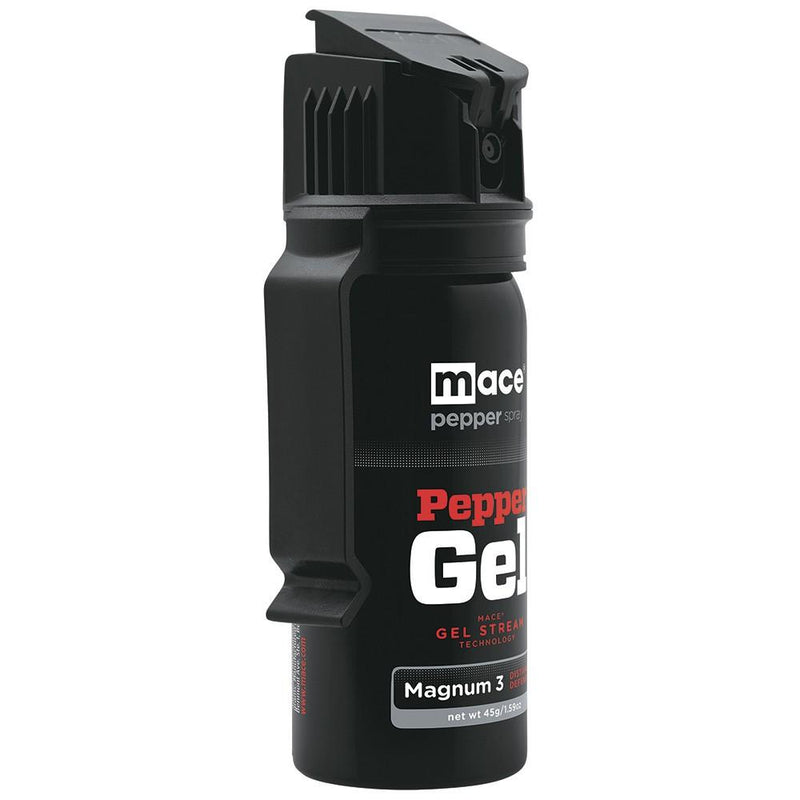
Pepper gel is often a better fit near a vehicle because it has a more targeted stream and less airborne drift than traditional pepper spray. It still requires care and should only be used when lawful and necessary, but it lowers the chance of contaminating the whole cabin. It also helps to understand the different types of pepper spray before you choose a spray, gel, or foam format for personal protection.
| Option | Rideshare Concern | Better Use Case |
|---|---|---|
| Pepper spray | Can spread inside the cabin and affect everyone | Open outdoor areas with enough distance |
| Pepper gel | More targeted with less airborne spread | Near a vehicle or outside the car |
| Personal alarm | No chemical exposure risk | Drawing attention fast |
| Flashlight | No contact required | Visibility and deterrence |
| Dashcam | Does not stop a threat directly | Documentation and deterrence |
Table comparing pepper gel, pepper spray, and safety tools for rideshare drivers and riders by concern, use case, and safety purpose.
Safety Tools That Make Sense in a Rideshare Vehicle
A rideshare safety kit does not need to look aggressive. In many cases, the best tools are simple, legal, and easy to use under stress. Riders and drivers should focus on tools that help them stay aware, document problems, call for help, or leave a dangerous situation.
A personal alarm gives riders a way to draw attention without direct contact. A flashlight helps drivers check the back seat, see around the vehicle, and handle dark pickup areas. A portable charger keeps the phone available for maps, emergency calls, and app safety tools. A seat belt cutter and window breaker can help after a car crash or lock-in emergency.
Drivers may also consider a GPS tracker for vehicle recovery and documentation. A tracker can help locate the car after theft, confirm vehicle location after a dispute, or support police and insurance reports after an incident. Use GPS trackers only for your own vehicle and follow privacy laws. If you are still comparing your options, this guide on stun guns vs. pepper spray can help explain how each tool works in different self-defense situations.
Self-Defense Devices for Rideshare Drivers and Riders
Self-defense devices for rideshare can add another layer of protection, but they should not be the first layer. Prevention, de-escalation, documentation, and emergency help should come first. A device should support escape or create distance in a serious situation, not replace good judgment.
For rideshare drivers, access and retention matter. A tool should be secure enough that a passenger cannot grab it easily, but accessible enough that the driver is not searching for it during an emergency. For riders, the device should be compact, legal, and easy to reach without digging through a bag. The products below may fit certain rider or driver safety needs. Before purchase or carry, check local laws and platform rules, read the instructions, and understand when use may or may not be lawful.
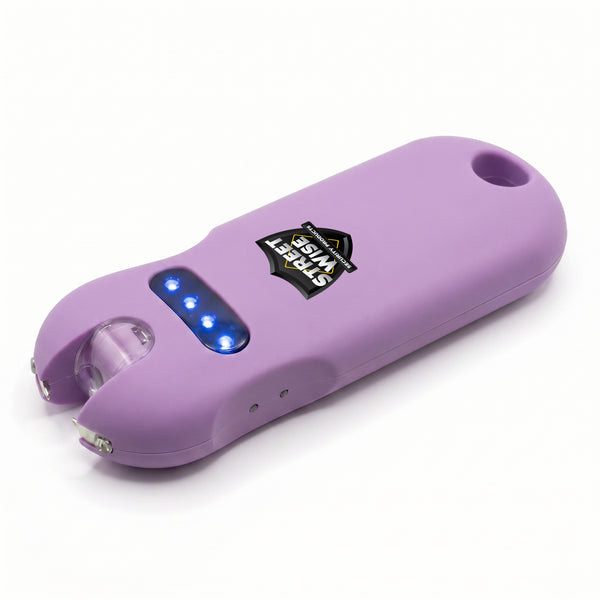
Streetwise Smart Body Activated Stun Gun 24M
This compact stun gun may suit riders or drivers who want something small and close-range. Its body-activated design is useful in tight spaces because control of the device matters. Keep it secure and within reach, not loose in a center console or buried at the bottom of a bag.
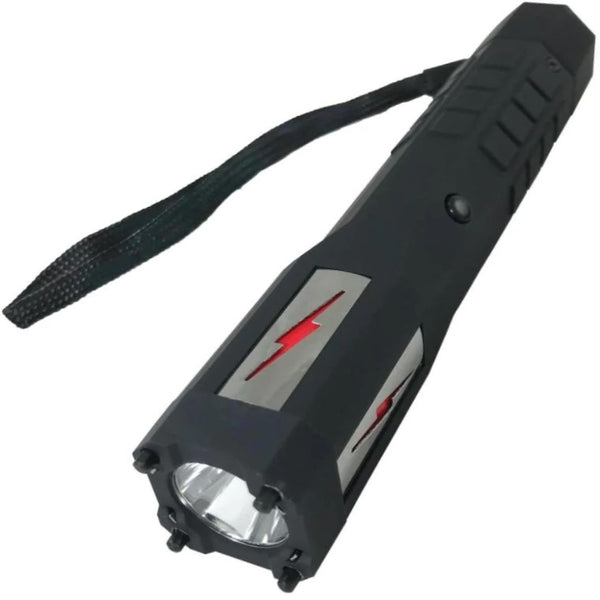
JOLT Lightning Rod Stun Flashlight w/ Grab Guards 90M
This option makes the most sense for drivers who want a tool for everyday use. The flashlight can help during night pickups, parking lot stops, apartment drop-offs, and quick checks around the vehicle. The stun feature should be treated as a last-resort option and carried only where legal.
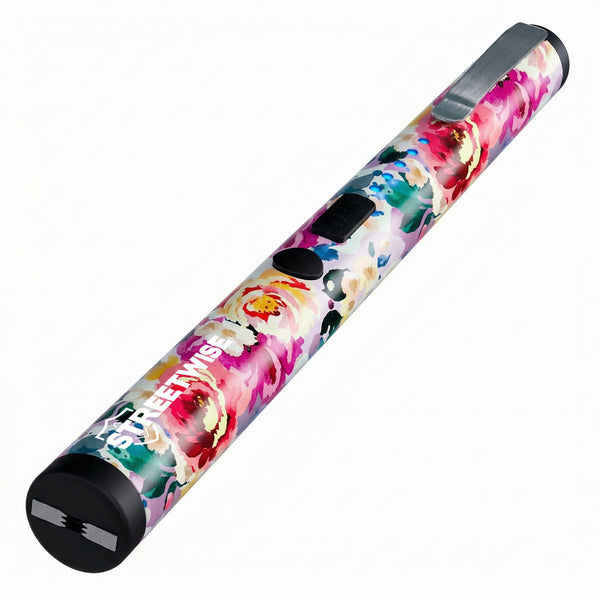
Streetwise Pain Pen 6” Rechargeable Stun Gun 25M
The Pain Pen is the most discreet of the three featured options. Its slim size may appeal to riders who want a compact device that does not take up much space. As with any self-defense tool, the user should know how it works before carrying it.
What to Do If a Rideshare Trip Feels Unsafe
If a ride feels unsafe, act early. Riders should share the trip, check the route, and ask to exit in a public place. Waiting too long can reduce your options, especially if the ride moves toward an isolated area or the situation inside the car becomes more tense.
Drivers should focus on control of the vehicle first. Do not argue while driving. If a passenger becomes aggressive, move to a safe, public, well-lit place if possible. End the ride if needed, call emergency services if there is an immediate threat, and save dashcam footage before it gets overwritten.
After the incident, report it through the app as soon as you are safe. Riders can report an Uber or Lyft driver for unsafe driving, harassment, threats, route concerns, or conduct that made them feel unsafe. Drivers can also report a passenger who threatened them, damaged the vehicle, refused to follow rules, or created a safety issue.
Save anything that helps document what happened. Screenshots, trip details, dashcam clips, messages, support reports, photos, and timestamps can all matter later. If there is immediate danger, do not wait for app support. Use the emergency button if available, or call 911 directly.
Rideshare Safety Checklist
This checklist gives passengers and drivers a way to review the most important rideshare safety steps before a trip. It covers simple habits that can help reduce risk, from confirming the right car to using app safety tools, checking local laws, and avoiding pepper spray inside the vehicle.
| Safety Step | Rider | Driver |
|---|---|---|
| Confirm the name, car, and plate | ✅ | ✅ |
| Keep the phone charged | ✅ | ✅ |
| Share trip status | ✅ | Optional |
| Use app safety tools | ✅ | ✅ |
| Sit in the back seat | ✅ | |
| Use a phone mount | ✅ | |
| Use a dashcam where legal | ✅ | |
| Know recording consent rules | ✅ | |
| Avoid using pepper spray inside the vehicle | ✅ | ✅ |
| Consider pepper gel instead | ✅ | ✅ |
| Check self-defense device laws | ✅ | ✅ |
| Report unsafe conduct | ✅ | ✅ |
Rideshare safety checklist for Uber drivers, rideshare drivers, and riders.
Build a Safer Rideshare Plan Before Your Next Trip
Your rideshare safety matters whether you are the passenger or the driver. If you are using rideshare apps like Uber and Lyft, check the car before you get in, watch the route, share your trip when needed, and know where you can safely exit. If you are the driver, confirm the passenger, choose safer pickup spots, keep records when something feels off, and set clear limits inside your vehicle.
You should always be prepared. Check the car. Keep your phone ready. Use an app’s safety features. Know when to end the ride. If you carry pepper gel or another self-defense device, make sure it is legal where you are and that you know how to use it. No single tool can make every Uber or Lyft trip risk-free. The right habits can help you spot problems sooner, document what happened, and leave when something feels wrong. Whatever it is, you need to keep yourself safe by checking the details early before a small issue arises.